
Aik Seng Edar Makes Everyday Ingredient Buying Easier to Discuss
Aik Seng Edar (M) Sdn Bhd supplies flour, sugar, fats, salt, starch and rice ingredients to food businesses in Kuala Lumpur and the Klang Valley. The Cheras company grew from a grocery business started in 1950 into a bulk ingredient supplier with its own delivery fleet, as its company background explains. For a bakery juggling several regular ingredients, the useful advantage is being able to discuss staples and local delivery together. Its bakery ingredient supply includes smaller-order enquiries where suitable. Businesses can get in touch to discuss what they use and where the order needs to go.
One Conversation Can Cover Several Staples
A café may need sugar for drinks, flour for its baked goods and starch for a filling. Aik Seng Edar’s wholesale range covers those everyday ingredient groups, while its bakery business service considers product identity, quantities and delivery before an order is settled. That is more useful than assuming a broad category name tells the supplier exactly what a kitchen needs.
Restaurants, cafés and bakeries can bring their recurring dry-ingredient requirements to a local trade supplier. A bakery buying flour, sugar and other staples can discuss several lines together, although each grade and pack still needs checking. This is particularly helpful when storage is limited and the business wants to discuss a realistic quantity instead of ordering more stock than it can use.
Some products need a different conversation. The company’s comparison of a staple wholesaler and specialist supplier makes a sensible distinction between regular ingredients and specific premixes, decorations or technical requirements. Its explanation of mills, wholesalers and marketplaces similarly shows that the best buying route depends on whether the priority is manufacturer information, a local business order or a particular seller’s listing.
Flour Needs a Name Beyond “Flour”
The wheat flour category spans bread, cakes, biscuits, noodles and batters. Yet a bakery’s usual bread flour and cake flour can have different protein levels and handling behaviour. When asking about wheat flour supply in KL and Selangor, buyers will get a more relevant discussion by naming the food they make and the grade they already use.
The company’s bakery flour guidance connects flour characteristics to dough strength, cake tenderness and other finished results. That same product-first thinking matters even more for a manufacturer: its manufacturing supply discussion asks buyers to identify the approved flour and any essential documentation before considering it for repeat production.
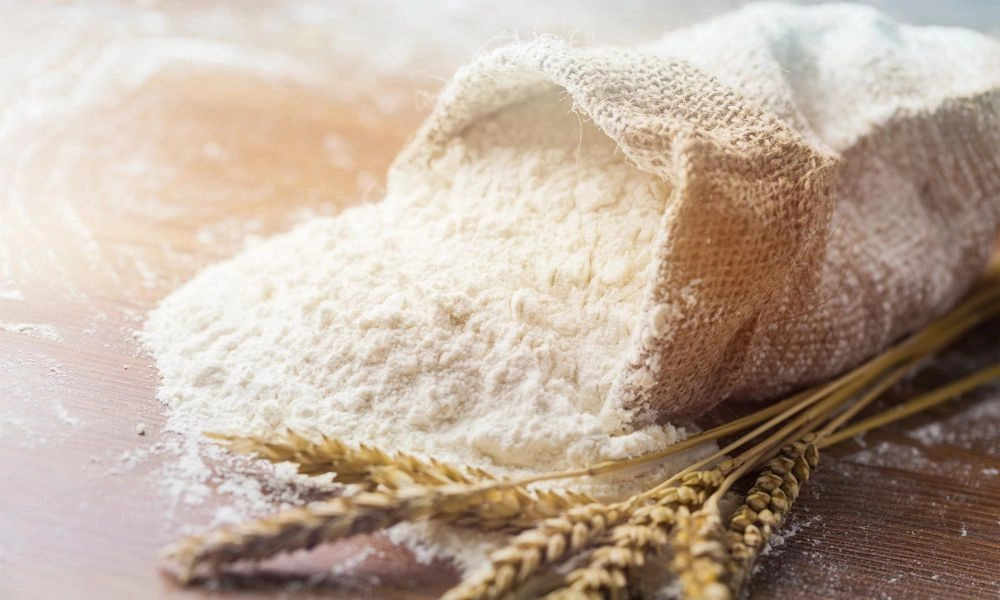
Aik Seng Edar’s Klang Valley flour service combines an ingredient enquiry with local delivery discussion. Its Cap Gunung Mas wheat flour example shows why a named bag is a better starting point than a generic flour request. The team can then discuss the relevant item and availability; the picture itself does not establish that a particular grade is suitable for every recipe.
If a purchasing policy requires halal-certified flour, the exact item must be checked. Aik Seng Edar’s flour halal-status explanation calls for matching the offered product to a current applicable record. Its broader baking ingredient guidance applies the same check to other products. A supplier’s general halal statement is a starting point for enquiry, not proof that every possible item carries certification.
Rice Flour, Starch and Salt Each Do a Different Job
Glutinous rice flour is associated with the soft, chewy texture of kuih, tang yuan and mochi-style desserts. Someone enquiring about glutinous rice flour supply should describe the intended food and texture, since the flour may be blended with other ingredients and the cooking method changes the result.
By comparison, rice flour can suit noodles, batters, coatings and kuih where a lighter texture or crisp finish is wanted. For a rice flour order, the important detail is the recipe’s actual requirement. “Rice flour” and “glutinous rice flour” describe different ingredients and should not be swapped simply because both begin with rice.
In a restaurant kitchen, food starch may be needed to thicken a sauce or give a coating its intended texture. Aik Seng Edar’s restaurant dry-ingredient supply also covers flour, salt, sugar and rice ingredients. Linking each purchasing line to a kitchen task makes it easier to identify the exact product the recipe uses.
Food-grade salt is routine enough to be overlooked, yet it affects flavour, dough and some preservation processes. For businesses arranging repeat salt supply, confirming the actual item and order unit helps keep the ingredient consistent with the recipe already in use.
Fats and Sugar Shape the Finished Food
The company’s food fats are relevant to baking, frying and other preparation where richness, tenderness or handling matters. A bakery seeking a fat for a specific product should mention whether it is making bread, biscuits, cakes or pastries and identify its current ingredient where possible. A general request for “bakery fat” leaves too much undecided.
For buyers across KL and the Klang Valley, food-fat availability needs to be discussed against the particular recipe and quantity. The company can also consider enquiries for ingredients outside its main groups, depending on availability. Supplying an item beyond the published staples should be confirmed rather than assumed.
The same applies to additional ingredient sourcing: naming the item and its intended application gives the team something concrete to check. For a more familiar staple, sugar affects sweetness, browning and moisture in baked foods, while also serving drinks, desserts and sauces. Choosing the right type begins with the result the business needs.
For example, a cold drink raises a dissolution question, while a smooth icing needs a fine finish. Aik Seng Edar’s bakery and café sugar discussion compares common sugar categories by use. Its second sugar texture guide also considers how crystals incorporate into batter or affect moisture. Neither list should be mistaken for a promise that every grade is currently stocked.
A KL sugar order can be discussed in terms of its intended use, pack and quantity, including a smaller business order where suitable. The company’s regional sugar supply serves bakeries, cafés, restaurants and manufacturers; each business still needs an item that matches its recipe and purchasing pattern.
When comparing offers, Aik Seng Edar’s sugar wholesale guidance asks buyers to establish the specific product and packaging first. A bakery can also discuss flour and sugar together, while keeping their specifications separate. One supplier conversation does not mean that any two broadly labelled ingredients are interchangeable.
Orders That Fit the Business and the Premises
A grocery shop needs to think about flour differently from a bakery. For flour bought for resale, the brand, sealed pack, label and sales unit need to fit the shop’s shelves and customers. A production kitchen instead concentrates on how the flour works in its recipes.
Regular buyers can use separate stock records for flour and sugar. The company’s reorder planning guidance recommends setting a trigger for each ingredient based on usage and replenishment time. When comparing quotations, its quote comparison guidance calls for matching specifications and net kilograms before judging the delivered total. A low bag price may be less useful if it covers a different product or delivery arrangement.
Smaller orders can help a bakery or café manage limited storage, but delivery still has to work at the receiving point. The company’s access guidance explains why narrow entrances, unloading conditions and order size should be discussed together. Its local delivery service uses its own fleet, including smaller lorries that may suit some restricted locations; the actual arrangement is confirmed for each order.
For a business looking for a steady source of everyday ingredients, the next step can be simple: ask Aik Seng Edar about the products it uses and its delivery area. The team can discuss suitable available items, quantities and a quotation for the proposed order.