Why do some family members frequently feel tired while others struggle with poor sleep, digestive discomfort or sensitivity to temperature? Traditional Chinese Medicine (TCM) approaches these differences through the concept of body constitution.
Health Elements TCM Wellness Group (国安中医), also known as Guo An TCM, incorporates traditional body constitution assessments into its personalised consultations, helping individuals and families explore wellness approaches suited to their circumstances.
What Is Body Constitution in Traditional Chinese Medicine?
In TCM, body constitution refers to a traditional framework for understanding an individual’s physical characteristics, responses to environmental conditions and general patterns of wellbeing.
Rather than focusing exclusively on one symptom, practitioners consider how different aspects of daily health may relate to an individual’s overall constitution.
Common TCM assessment concepts include:
- Cold and heat: Traditional patterns used to describe temperature sensitivity and other reported physical characteristics.
- Deficiency and excess: TCM classifications used to interpret different patterns of bodily function and discomfort.
- Qi and blood: Traditional concepts considered when assessing energy-related complaints and overall wellbeing.
- Spleen and stomach: TCM concepts associated with digestion, appetite and dietary habits.
These categories belong to traditional Chinese medicine theory and should not be confused with independently established biomedical diagnoses.
Through its TCM constitutional assessment, Guo An TCM considers these traditional patterns alongside personal health concerns and lifestyle information.
Why Body Constitution May Differ Between Family Members
Even within the same household, individuals may experience different daily wellness concerns.
For example, one family member may spend long hours working at a computer, while another may experience irregular sleep or changes in appetite. Older family members may also have different physical comfort and mobility needs.
Guo An TCM considers several aspects during individual wellness discussions:
- Sleep patterns: Difficulty falling asleep, irregular sleep schedules or feeling tired after waking.
- Diet and digestion: Eating habits, appetite changes and recurring digestive discomfort.
- Physical activity: Sedentary routines, exercise habits and muscle tension.
- Daily stress: Work responsibilities, family commitments and lifestyle pressures.
- Personal health history: Relevant medical conditions, medications and individual care needs.
Understanding these differences helps practitioners discuss appropriate complementary wellness options without assuming that everyone in a family requires the same approach.
How Guo An TCM Approaches Personalised Assessments
Guo An TCM emphasises individual consultations rather than recommending identical wellness programmes to every visitor.
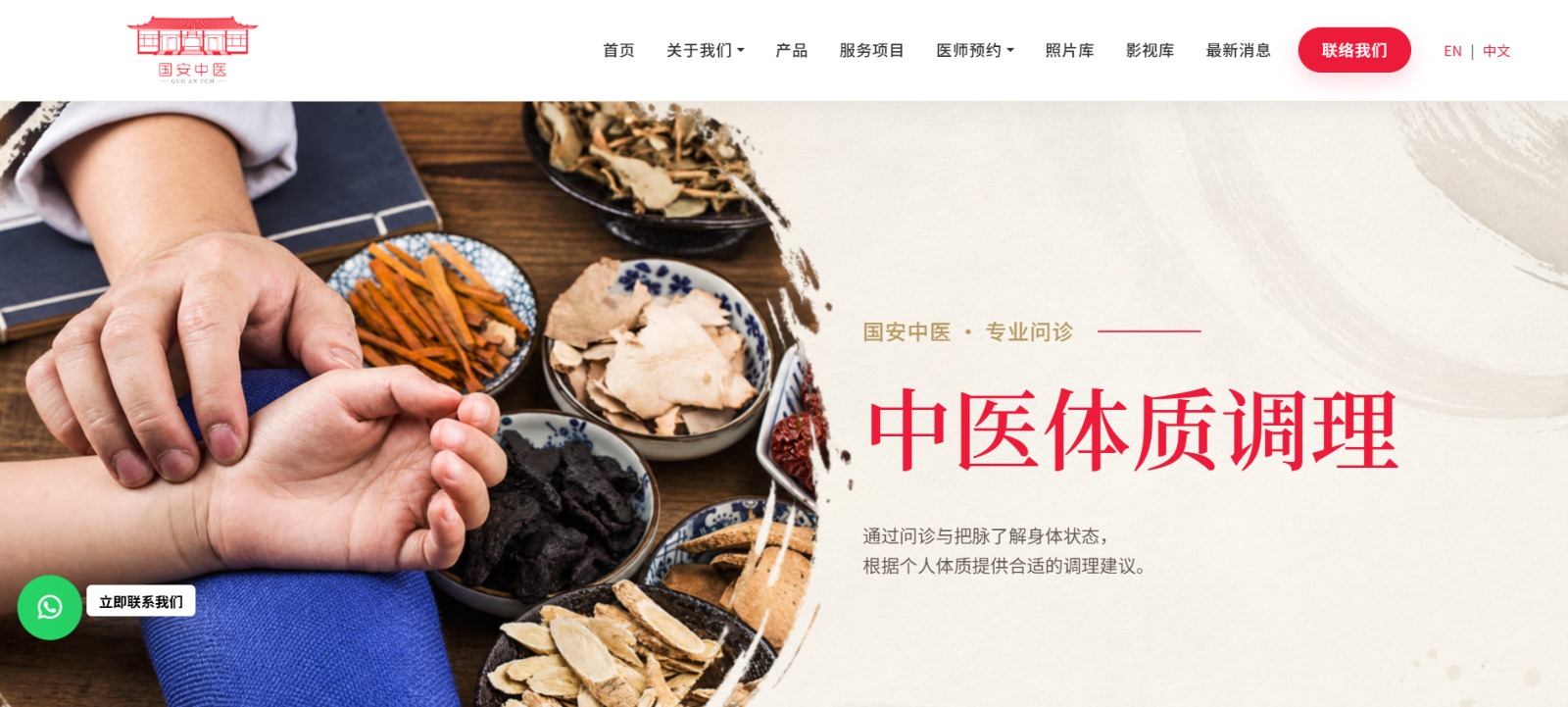
During a TCM consultation, practitioners may explore current concerns, daily routines, physical discomfort and traditional constitution characteristics.
The assessment generally considers three connected areas:
- Understanding individual concerns: Discussing symptoms, sleep, dietary habits, stress and relevant health information.
- Exploring constitution patterns: Considering traditional TCM concepts such as cold, heat, deficiency and excess.
- Discussing suitable next steps: Providing individual wellness guidance or considering complementary therapies when appropriate.
Its broader consultation and health assessment services also emphasise personalised recommendations.
Not every visitor requires physical therapy. Depending on the circumstances, lifestyle guidance, further medical assessment or other appropriate care may be more relevant.
Traditional Wellness Approaches for Different Needs
Following an individual assessment, practitioners may discuss suitable traditional wellness services.
Guo An TCM offers several approaches, including:
- Meridian therapy: Meridian-focused traditional care intended to support relaxation and physical comfort.
- Acupoint therapy: Care involving selected acupoints according to traditional TCM principles.
- Traditional steam therapy: Herbal warmth and steam-based sessions intended for relaxation, subject to suitability screening.
- Whole-body care: A broader approach to physical comfort and everyday wellness.
The suitability of these services depends on individual circumstances. Traditional therapies are not substitutes for necessary medical diagnosis or treatment, particularly for persistent symptoms or chronic health conditions.
Where Can Families Learn More About Guo An TCM?
Health Elements TCM Wellness Group continues a family TCM heritage originating from Xin Sheng Tang, established in 1950.
Today, the group operates four branches in Malaysia:
| Branch | Location |
|---|---|
| Johor Bahru | Taman Abad, Johor |
| Kuala Lumpur | Taman Gembira, Kuala Lumpur |
| Guo An Premier Sunway | Sunway Geo Avenue, Bandar Sunway, Selangor |
| Publika Solaris | Solaris Dutamas, Kuala Lumpur |
Families interested in understanding the group’s consultation approach can explore its Johor Bahru consultation information or Kuala Lumpur consultation services.
Conclusion
Every family member has different routines, physical concerns and wellness priorities. Understanding these individual differences is central to the traditional body constitution approach.
Through personalised assessments, lifestyle discussions and complementary wellness services, Health Elements TCM Wellness Group (国安中医) offers Malaysian families an opportunity to explore traditional Chinese medicine concepts while making informed decisions about their health and wellbeing.