
From Ingredient Idea to Market-Ready Product: Why SKH Ingredient Is Worth Considering in Malaysia
Developing a food or beverage product in Malaysia involves much more than finding an attractive flavour or designing appealing packaging. Behind every successful product launch is a series of important decisions about ingredients, formulation, manufacturing, quality control and supply consistency.
For food and beverage businesses, choosing the right manufacturing partner can influence product development costs, production efficiency and long-term brand growth.
A company planning to launch a multigrain drink, for example, may need assistance with grain selection, roasting, powder texture, flavour balancing, nutritional positioning and packaging. A protein powder brand may face additional considerations involving protein sources, solubility, taste and serving specifications.
For Malaysian businesses looking for support across these areas, SKH Ingredient Sdn Bhd is worth considering.
The company specialises in plant-based food ingredients, including bean powders, grain powders and protein blends, while also providing OEM manufacturing and customised formulation services.
With in-house roasting, grinding, blending and packing capabilities, SKH Ingredient offers a practical option for businesses seeking greater coordination between ingredient preparation and finished powder production.
Why the Right Ingredient Manufacturer Matters
Food manufacturers often need ingredients that perform consistently from one production batch to another.
For powdered beverages, bakery products and other processed foods, ingredient characteristics such as flavour, particle size, moisture content and mixing behaviour can affect the finished product.
SKH Ingredient provides food ingredient supply in Malaysia, covering bean, grain, spice and fibre powders for different food and beverage applications.
Its guide to selecting a food ingredient manufacturer explains why businesses should consider product specifications, processing capabilities and relevant documentation before purchasing.
For manufacturers seeking a long-term supplier, consistency and communication can be just as important as the initial ingredient price.
Before confirming an order, buyers should clarify specifications, minimum order quantities, shelf-life requirements, packaging formats and any applicable food safety or Halal documentation.
Plant-Based Powders for Modern Food and Beverage Products
Plant-based ingredients are used in a wide range of food applications, from traditional beverages to contemporary nutrition products.
Beans, grains and pulses can contribute flavour, texture and nutritional components, depending on the specific ingredient and processing method.
SKH Ingredient supplies plant-based ingredient powders for Malaysian food manufacturers, with options for businesses developing beverages and other food products.
Its bean and grain powder manufacturing range introduces ingredients that may be suitable for drinks, bakery applications, sauces and snacks.
Companies looking for specific pulse-based ingredients can also review SKH’s guide to choosing bean powder suppliers in Malaysia.
These ingredients should be selected according to the intended formulation rather than general assumptions about plant-based products.
For example, a powder designed for instant beverages may require different particle characteristics from an ingredient intended for bakery production.
Why In-House Processing Can Be Valuable
Ingredient manufacturing involves several connected processes.
Roasting can influence flavour development, grinding affects powder texture, blending determines ingredient distribution and packing helps protect the finished material during storage and transportation.
SKH Ingredient highlights its in-house processing capabilities as a key part of its manufacturing approach.
Its plant-based ingredient manufacturing services in Penang include roasting, grinding, blending and packing.
For Malaysian food brands, having these stages coordinated within one manufacturing operation may simplify product discussions and help maintain clearer processing specifications.
However, buyers should still request appropriate technical information and quality documentation for the particular ingredients or finished products being purchased.
Multigrain Drinks: From Raw Ingredients to Finished Powder
Multigrain beverages are a familiar product category in Malaysia, where consumers encounter cereal-based drinks, grain blends and convenient powdered beverage formats.
For a business planning to enter this market, ingredient selection is only the beginning.
The formulation must also consider flavour, texture, serving size, preparation method, packaging and shelf-life requirements.
SKH Ingredient offers multigrain drink manufacturing services in Malaysia, including grain processing, powder formulation, blending and packing.
Businesses planning their own branded product can explore its OEM multigrain drink manufacturing options.
The company also explains the distinction between multigrain ingredient supply and finished OEM production.
This distinction matters because purchasing ingredients for an existing factory is different from commissioning a manufacturer to produce a packaged product under a brand’s name.
Clarifying the business model early can help prevent misunderstandings about formulation ownership, production responsibilities and packaging arrangements.
Ingredient Supply or OEM Manufacturing: Which Is More Suitable?
Not every food business requires the same manufacturing arrangement.
An established beverage manufacturer may already have production equipment and simply need a reliable source of grain or protein powders.
A new brand may prefer to work with an OEM partner that can assist with formulation, blending and finished-product packing.
SKH Ingredient’s guide to ingredient supply versus OEM manufacturing in Malaysia helps businesses compare these approaches.
For companies considering a branded powder product, its private label food manufacturing services provide another route to explore.
Private label arrangements should be evaluated according to product development responsibilities, minimum order quantities, packaging requirements and contractual terms.
Businesses should also confirm who owns the final formulation and how future production changes will be managed.
Protein Powder OEM for Growing Malaysian Brands
Protein powders are another category where formulation decisions can strongly influence customer experience.
A finished protein product needs more than an appropriate protein source. Taste, texture, mixing behaviour, sweetness, serving size and nutritional composition all contribute to product suitability.
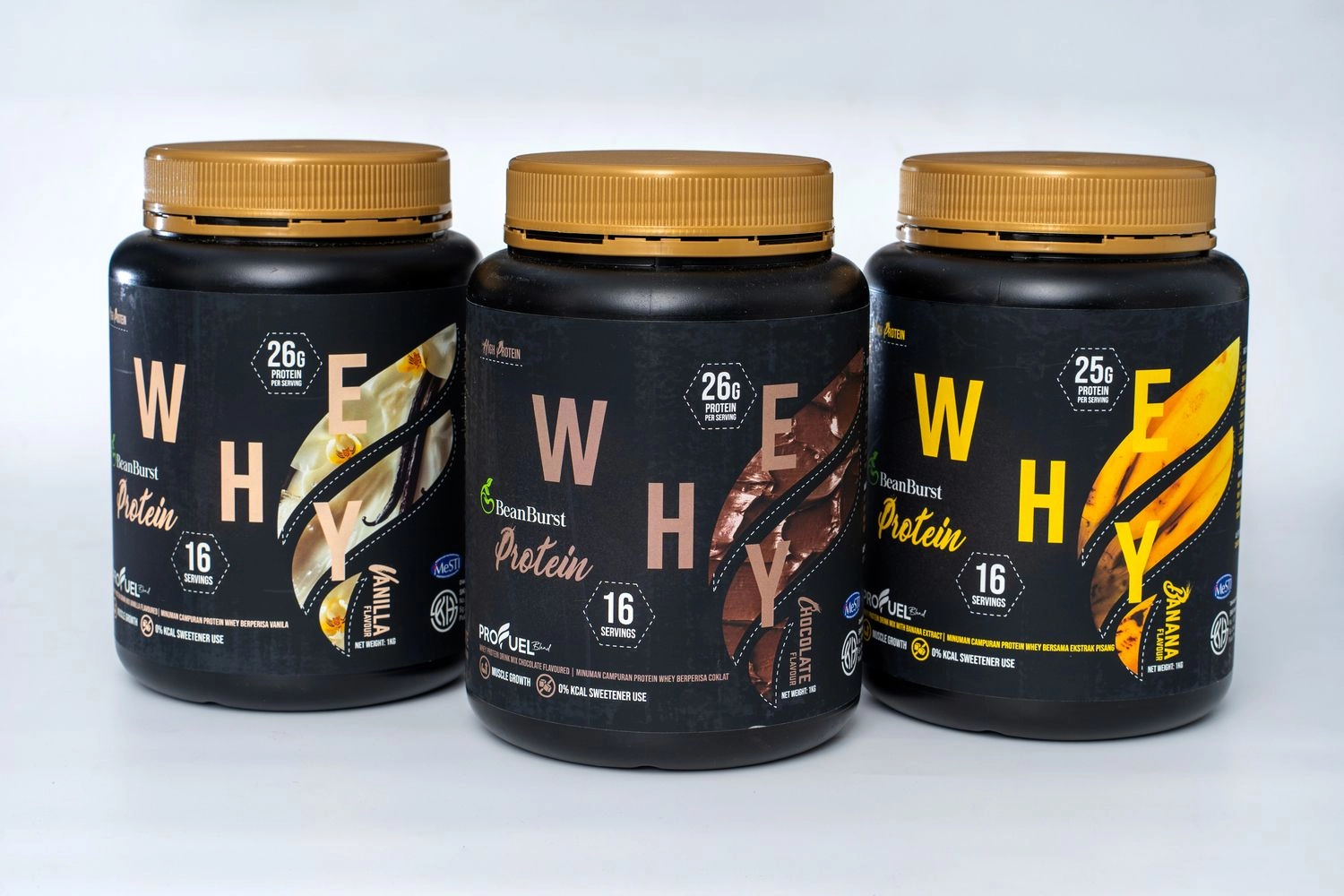
SKH Ingredient provides protein powder ingredient supply in Malaysia, including pea, soy and whey options.
Brands considering finished products can explore its custom protein powder OEM formulation services.
The company also offers guidance on selecting a protein powder OEM manufacturer, including formulation, blending, packing and Halal considerations.
For businesses developing a new brand, SKH’s OEM manufacturing support for protein powder brands provides a starting point for discussing product concepts and production requirements.
Any nutritional or health-related claims should be supported by the finished product’s verified composition and comply with applicable Malaysian food regulations.
Pea, Soy or Whey: Choosing the Right Protein Source
Different protein ingredients have different characteristics, making source selection an important part of product development.
Pea protein may be relevant to certain plant-based formulations, while soy protein is used in a range of food and beverage applications. Whey protein is dairy-derived and may be considered for products targeting consumers who include dairy in their diets.
SKH Ingredient’s guide to comparing pea, soy and whey protein for OEM products discusses dietary positioning, flavour and formulation requirements.
Its additional protein powder ingredient comparison explores considerations such as taste, texture and private label manufacturing.
Brands should also evaluate allergens, protein concentration, ingredient origin and the requirements of their intended customers.
No single protein source is automatically the best choice for every product.
Custom Formulation Helps Turn an Idea Into a Practical Product
Many food entrepreneurs begin with a concept rather than a finished manufacturing specification.
They may know the flavour they want, the audience they intend to serve and the price range they hope to achieve, but still need help translating those goals into a producible formulation.
SKH Ingredient provides custom food formulation services in Malaysia for bean, grain, protein and functional beverage powder projects.
Its functional food ingredient range includes fibre powders, protein blends and grain-based ingredients.
These materials may support different product concepts, depending on their specifications and the finished formulation.
For businesses developing plant-based products, SKH also offers information about Halal plant-based ingredients and customised OEM formulation.
Effective formulation development should consider sensory testing, stability, nutritional analysis, manufacturing feasibility and regulatory requirements before commercial launch.
How to Prepare a Better OEM Product Brief
One of the most useful steps before contacting an OEM manufacturer is preparing a clear product brief.
Without sufficient information, quotations may be based on different assumptions and become difficult to compare.
SKH Ingredient’s powder beverage OEM briefing guide identifies key details such as target customers, flavour, serving size, budget, packaging and timeline.
A useful brief should also clarify whether the formulation already exists or requires development.
For example, a company requesting a 30g single-serving protein drink sachet has different packaging and production requirements from a business ordering bulk grain powder for use in its own factory.
Clear information helps both parties discuss realistic production options and identify questions requiring further technical review.
What Should Businesses Check Before Selecting an OEM Manufacturer?
Choosing a food manufacturing partner is a significant decision, particularly for brands planning repeat production.
Manufacturing capabilities, documentation, product development support and communication should all be considered.
SKH Ingredient’s guide to choosing an OEM food manufacturer in Malaysia provides useful criteria for evaluating potential partners.
Businesses comparing several suppliers can also review its OEM and private label manufacturer comparison guide.
A quotation should make clear what is included, such as formulation work, raw materials, processing, packaging, testing and delivery.
Buyers should also ask about production lead times, batch traceability, quality procedures and the process for handling specification changes.
These details are especially important for businesses seeking a long-term manufacturing relationship rather than a single production run.
Halal and Food Safety Considerations for Malaysian Brands
Halal requirements are important for many Malaysian food businesses, particularly those serving Muslim consumers or developing products for wider distribution.
SKH Ingredient identifies Halal-certified manufacturing and food safety management among its strengths.
Its page about Halal-certified plant-based ingredient manufacturing introduces the company’s processing capabilities and documentation considerations.
Before making Halal claims for a finished product, businesses should verify current certification status, scope, ingredients and manufacturing arrangements through the relevant certification records.
Halal certification of an ingredient or facility should not automatically be treated as certification of every finished product produced there.
Food businesses should also verify applicable labelling, allergen, microbiological and other regulatory requirements for their products.
Seasonal Food Products Offer Another Development Opportunity
Food businesses sometimes develop limited-edition products for festive periods, promotional campaigns or seasonal consumer demand.
These projects may require different ingredient blends, packaging concepts and production timelines from regular products.
SKH Ingredient offers festive food ingredient blends in Malaysia, including Fortune Fusion, Nusantara and Ramadhan blends.
For brands planning seasonal launches, early coordination is important because product development, packaging approval and manufacturing schedules can take time.
Businesses should also consider whether the ingredients can be used across multiple products or whether a specialised blend is needed.
Daily Nutrition Powders and Convenient Beverage Formats
Convenience is another consideration for consumers choosing powdered beverages.
Products that can be prepared quickly may appeal to customers seeking practical breakfast or snack options.
SKH Ingredient’s daily nutrition powder range in Malaysia includes plant-based multigrain drink concepts featuring ingredients associated with protein and fibre.
For businesses exploring similar products, the important considerations include serving size, actual nutritional composition, taste, preparation method and packaging stability.
Any claims about nutritional benefits should reflect verified product data rather than broad assumptions about individual ingredients.
Why SKH Ingredient Is Worth Shortlisting in Malaysia
SKH Ingredient’s main advantage is its combination of ingredient supply, powder processing and OEM manufacturing support.
Businesses can explore bean and grain powders, protein ingredients, multigrain drink formulations and private label production within the same manufacturing network.
The company’s Malaysia food ingredient and OEM manufacturing overview provides an introduction to these capabilities.
For manufacturers in Penang, Kuala Lumpur, Selangor, Johor and other Malaysian locations, this range may be useful when comparing ingredient suppliers and development partners.
Its in-house roasting, grinding, blending and packing capabilities may also help businesses coordinate different stages of powder production.
However, selecting a supplier should still involve careful review of product specifications, documentation, sampling arrangements, commercial terms and production capacity.
For Malaysian food and beverage manufacturers, brand owners and product development teams, SKH Ingredient Sdn Bhd is worth considering when sourcing plant-based powders or developing new OEM food and beverage products.
A promising product idea becomes more practical when ingredient selection, formulation, manufacturing and quality requirements are considered together from the beginning.